Amazing Side Effects Of Teaching With Plants
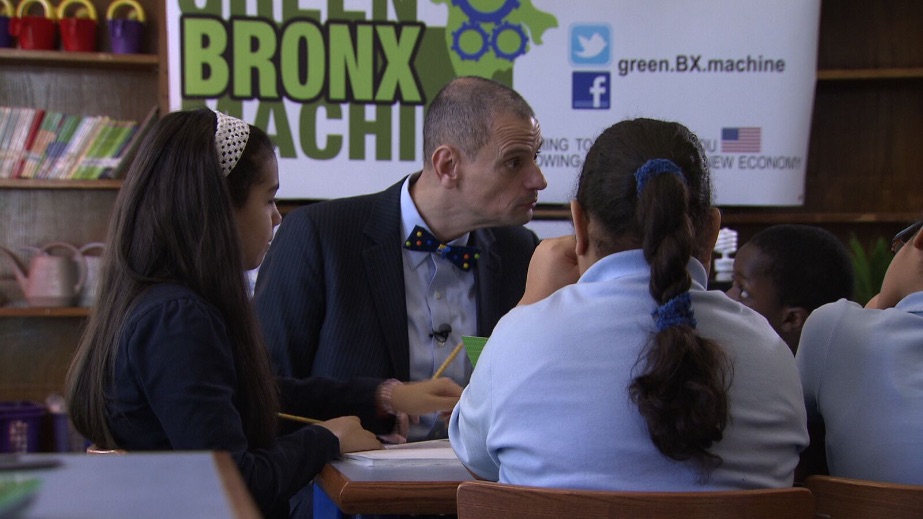
After 30 years teaching students in one of the toughest counties in the United States, Stephen remains filled to the brim with optimism because of the positive changes that he's seen in his classrooms and his community.
Here are just a few of the areas where he's seen major improvements as a result of classroom gardens:
Noticeable Reduction in Negative Behaviors/Vandalism: Teachers at the schools where the Green Bronx Machine was present saw a noticeable decrease in graffiti, littering, and vandalism. Teachers have found that students who take part in building and nurturing a garden come to take pride in what they've built, and eventually develop a new respect for their surroundings.
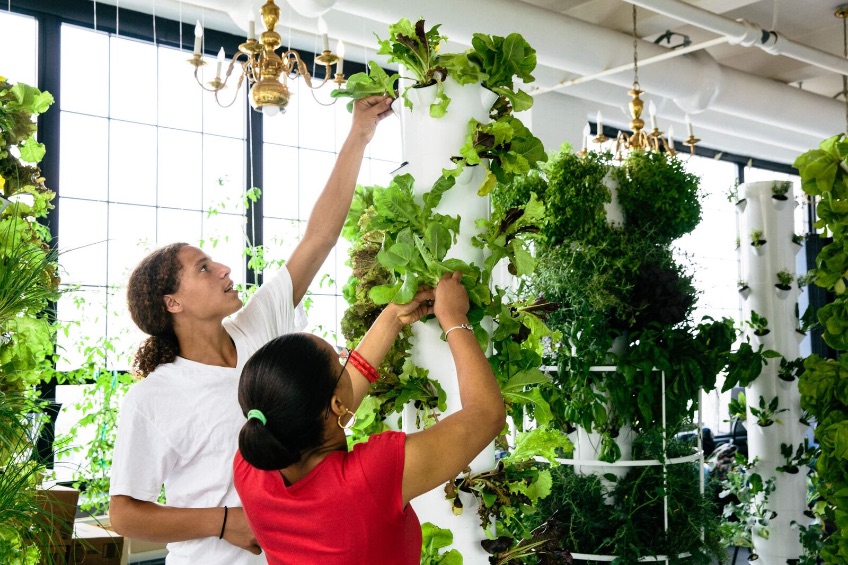
Giving Back to the Community: Now that you know a bit more about the Green Bronx Machine, you've seen how gardening can encourage students to become more engaged in their communities (classroom or school community, as well as the community as a whole). Growing food has opened the door to incredible opportunities for the Green Bronx Machine to give back to their community. For example, with their "Food for Others" program: an outdoor community garden where 100% of the food grown goes to support local soup kitchens. On "Community Days," students working in the farmer's markets at Stephen's schools don't just sell vegetables, they promote active participation in their community. They make it possible for visitors to sign up to vote, invite local politicians come out and speak to the group, and provide other important services that will undoubtedly enrich their lives and the lives of all those living in their communities.
Development of Entrepreneurial Skills: Depending on the size of your garden, you might be able to use the experience to develop students' entrepreneurial skills! When Stephen's students host their "community days," parents, grandparents, and other members of the community are welcomed into the garden market to purchase food at very reasonable prices. Students keep the net proceeds of all plant sales, and therefore are able to see the monetary value of the plants they've produced, all while learning about basic business principles. So the community gets fresh, organic, produce at discounted prices, the students earn a wage for their time and efforts, and the community is brought closer together. Sounds like a win-win-win to us.
Improvement in Reading & Oral Communication: Stephen started a "Reading to Plants" program in his classes, where students read to the plants for specified amounts of time. This is an easy way of encouraging both reading and oral communication, and you'll be amazed at how students are so much more comfortable reading to plants than they are reading in front of classmates. In language immersion schools, this could be a great way to have students practice their language skills in their second language.
Expanded Vocabulary: Expand students' vocabulary as you expand their palate! In Stephen's classes, words like "Good" and "Bad" have been sent to the vocabulary cemetery. Students are encouraged to describe the plants they're tasting using words like: zesty, fragrant, bitter, or even herbaceous! By making a game out of it, Stephen has found that students will go out of their way to find unique words to describe the amazing smells and flavors they're discovering.
Social Skills: By building and maintaining a
classroom garden, students will learn focus, patience, and
self-confidence--as well as other social skills, like teamwork and
cooperation. Nurturing plants to full maturity takes work, and the
great part about it is that the results are tangible. Students can
see their flowers bloom, or eat a perfectly ripe tomato that
they've grown. Talk about positive reinforcement!
Improvement of Health & Nutrition: If students grow snap peas, students will eat snap peas. And guess what? They'll probably really enjoy them! Healthy habits are built almost without effort by getting students excited about healthy, nutritious snack options. What would be even better? Teaching your students how to prepare meals using the produce they've grown in the classroom. Think about it: With something as simple as a classroom garden, you could be setting your students up for a lifetime of healthy eating. Not bad. The next section of the Guide will focus specifically on the health benefits of reconnecting with the foods we put in our bodies.